Waterproofing materials manufacturer since 1992 Middle East  ·  Southeast Asia  ·  Africa

Application-led waterproofing

Start with the building. Then choose the material.

Watertightness depends on the substrate, exposure, detailing and installation sequence. Explore the material combinations suited to common building and infrastructure conditions in hot, humid and high-rainfall markets.

Large low-slope roof installation

01 · Flat roofs

Heat, UV and long-term exposure.

For exposed concrete roofs, APP and SBS membranes remain efficient choices. High-polymer TPO and PVC sheets provide weldable single-layer systems for larger roofs, while liquid coatings simplify terminations and repair.

ExposureDirect sun, thermal cycling, ponding and wind uplift
InstallationTorch, self-adhesive, hot-air weld or liquid application
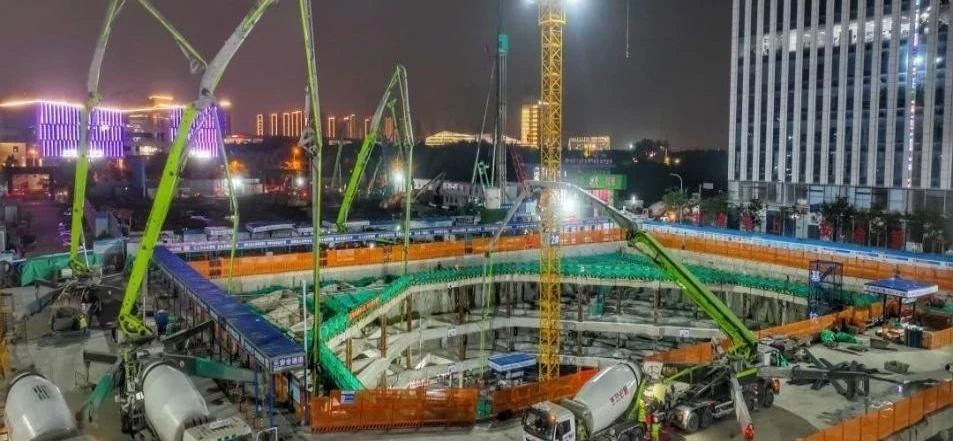
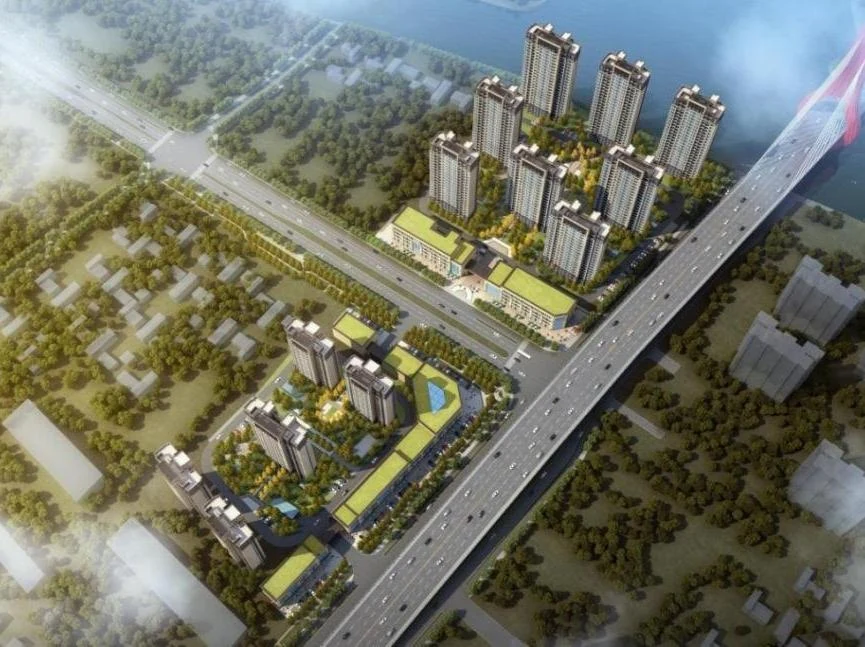
Below-grade transport and parking structure

02 · Below-grade

Groundwater, construction joints and restraint.

Pre-applied HDPE and self-adhesive membranes create a continuous barrier that bonds to post-cast concrete. Bitumen, EPDM and crystalline coatings cover different basement slab, wall and water-pressure conditions.

ExposureGroundwater, soil pressure, chlorides and construction damage
InstallationPre-applied, self-adhesive, wet-lay or coating systems
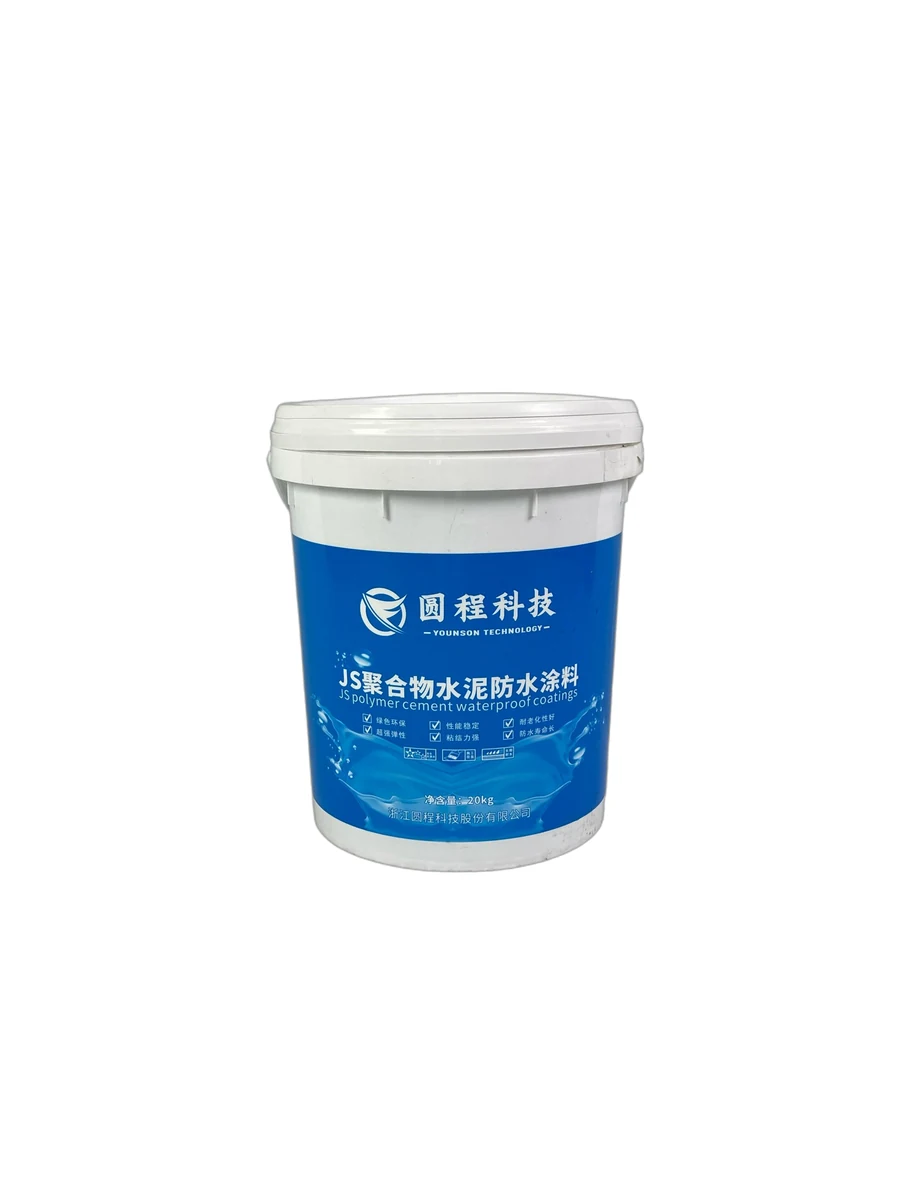
Polymer cement waterproofing coating

03 · Wet areas & water structures

Seamless protection around complex details.

JS polymer cement and polyurethane coatings suit bathrooms, balconies, walls, pools and tanks. Crystalline coatings add a concrete-integrated barrier for water-retaining structures and negative-side waterproofing.

ExposureFrequent wetting, vapour, hydrostatic pressure and cleaning
InstallationBrush, roller, trowel or spray to a defined film build
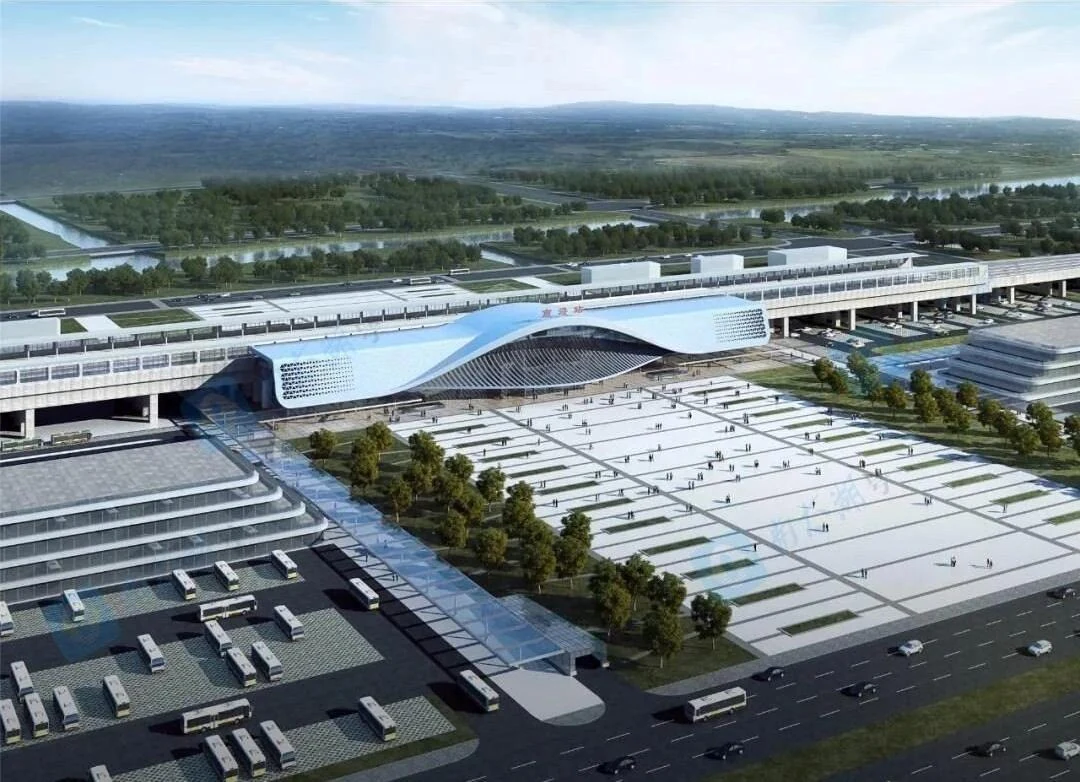
Metro depot and rail infrastructure

04 · Transport infrastructure

Large areas, tight programmes and mixed interfaces.

HDPE and PVC sheet systems support tunnels, metro and civil works. Bridge-deck coatings, polyurea and high-strength waterborne rubber asphalt address traffic loading, abrasion and asphalt paving temperatures.

ExposureTraffic loads, vibration, chemicals and fast-track construction
InstallationPre-applied sheet, welding, spray and cold liquid application
Landscaped podium and planted roof project

05 · Planted roofs

Root resistance without compromising waterproofing.

Chemical and copper-carrier root barriers provide two levels of protection for planted roofs, basement top decks, tunnels and landscaped water features. Root-resistant TPO and PVC versions are also available.

ExposureRoot penetration, moisture, soil chemistry and maintenance traffic
InstallationHeat-fusion or welded high-polymer systems
Membrane application for a photovoltaic roof

06 · Metal & photovoltaic roofs

Cold-applied waterproofing for retrofit and solar arrays.

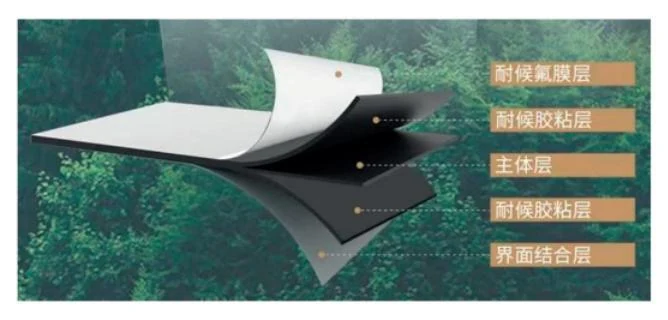
PVDF-faced and metal-roof self-adhesive membranes are designed to follow profiled surfaces without open flame. Their exposed surfaces support roof refurbishment and photovoltaic installations where access and fire risk matter.

ExposureUV, high metal-surface temperature and repeated foot traffic
InstallationSurface preparation followed by cold self-adhesive application

Clear system boundaries

Core materials made in-house. Accessories coordinated through qualified partners.

We do not present primers, sealants, waterstops, injection resins, tapes or drainage boards as our own manufactured products. Project teams can still receive a coordinated material recommendation with clearly stated compatibility requirements.

In-house

Core sheets

Modified bitumen, self-adhesive and high-polymer membranes.

In-house

Liquid coatings

PU, JS, crystalline, polyurea and waterborne asphalt systems.

Project support

Compatibility review

Substrate and accessory interfaces identified before specification.

Partner scope

Detail materials

Compatible primers, sealants, tapes, waterstops and drainage products.

Have a project drawing or specification?

Let us review the waterproofing application.